
National Geographic - Lindblad Expeditions Ships (2026 Planner Guide)
- Jan 20
- 2 min read
A quick, trusted fleet overview for groups, incentives, and charters
If you’re a meeting planner and you’ve started hearing more about National Geographic - Lindblad Expeditions, it’s usually for one reason:
Their ships go where most ships can’t.
This is expedition cruising: small ships, expert-led exploration, and immersive destinations. For the right group, it’s one of the most memorable travel formats in the world.
This guide is meant to help planners quickly understand:
how big the ships are
what the onboard vibe is like
what makes the fleet different
and what to look for when bringing a group onboard

Fleet overview (at-a-glance)
National Geographic - Lindblad Expeditions presents its fleet as 24 small expedition ships
What that means: They operate a multi-ship, destination-specific fleet (you match the ship to the region and type of traveler).
How big are the ships? (At-a-glance)
Most ships are roughly 48–148 guests.
Quick ship size examples
National Geographic Islander II (Galápagos): 48 guests
National Geographic Sea Bird: 62 guests
National Geographic Sea Lion: 62 guests
National Geographic Endurance: 138 guests
National Geographic Resolution: 138 guests
National Geographic Explorer: 148 guests
Planner takeaway: These are real small ships. Expect intimacy, connection, and smoother group flow.

Is it luxury?
Expedition “luxury” looks a little different than resort-style cruising.
National Geographic - Lindblad Expeditions positions its ships around “the luxury of comfort” paired with expedition capability.
So yes, you can describe the experience as:
premium
polished
comfortable
high-quality service
destination-first
What it won’t feel like: flashy mega-ship luxury with crowds and endless distractions.

What are the ships like onboard? (Public spaces + vibe)
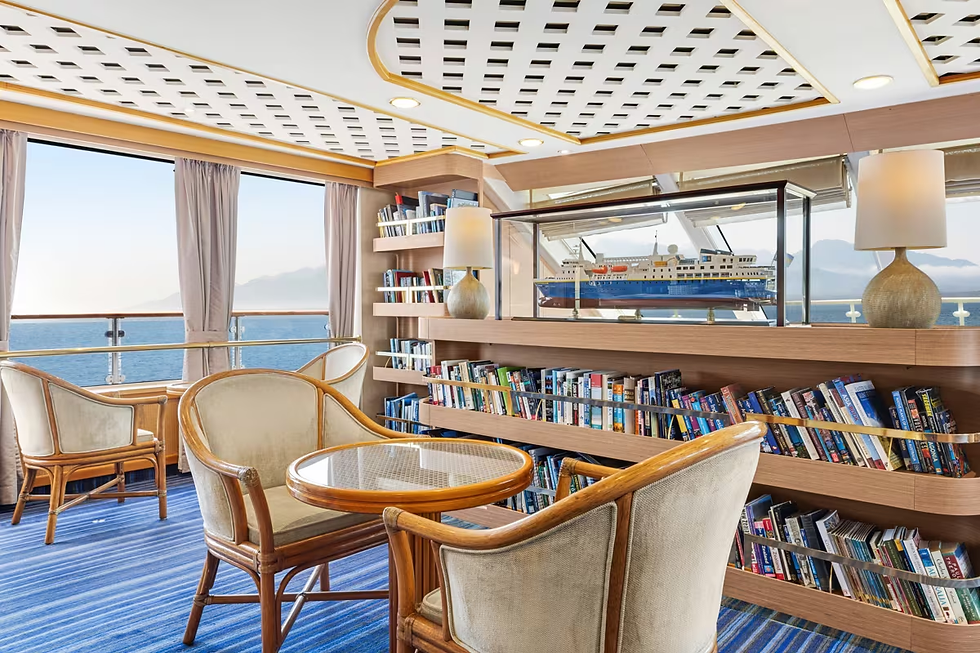
Public spaces are designed around:
viewing and observation
briefings and learning
casual social connection
expedition readiness
You’re more likely to see:
observation lounges
indoor/outdoor viewing decks
spaces designed for “expedition briefings”
science-style learning spaces on certain vessels
Example: National Geographic Islander II highlights features like an observation deck, indoor-outdoor dining, a climate-controlled marina, and a science hub.
Planner takeaway: The vibe is intimate, smart, and intentional.

What makes their ships truly expedition-ready
This is the part that matters for group expectations.
Expedition tools
These ships support daily exploration, including:
Zodiac landings
kayaking (on select itineraries)
guided hikes/walks
expedition equipment onboard
Expert teams
Expedition leaders and naturalists are central to the experience. They provide context and storytelling that feels very National Geographic.

What groups are a great fit
National Geographic - Lindblad Expeditions is especially strong for:
executive retreats and leadership travel
incentive groups (especially top performers who have “done it all”)
purpose-driven brands
groups that love nature, learning, immersion
multi-generational families traveling together
Less ideal for groups seeking:
nightlife
entertainment-heavy cruising
“floating resort” atmosphere

Bottom line
If your group wants something rare, meaningful, and genuinely memorable, National Geographic - Lindblad Expeditions belongs on your shortlist.
The ships are intentionally small, built for access, and designed to support immersion.
That combination is what makes the fleet special, and why it’s such a smart option for certain charter and group programs.

"If you’re considering National Geographic - Lindblad Expeditions for a group program, I’d love to help you explore the right ship and itinerary."
-Nataly Horan, Founder & CEO, AUTHENTIC Meetings & Incentives
This is a great sale! Very well designated to corporate